Navigating Japan’s Train Etiquette: A Guide for First-Time Visitors
Japan’s rail system is renowned for its punctuality, cleanliness, and efficiency. For many first-time visitors, understanding the unwritten rules of train etiquette can be as important as mastering the ticket machine. Observing these guidelines not only helps you move smoothly through the system but also shows respect for the local culture. This guide explains key aspects of Japanese train etiquette, from queuing to phone usage, to help you navigate your journeys with confidence and consideration.
The underlying principle of Japanese etiquette is to avoid causing inconvenience to others. On trains, this translates into specific behaviors that maintain order and comfort for all passengers. While not all rules are strictly enforced, they are widely practiced and appreciated. By familiarizing yourself with these customs, you can integrate more seamlessly into daily life in Japan and enhance your travel experience.
Queuing and Boarding Procedures
In Japan, queues are orderly and well-respected. At platforms, marked lines on the floor indicate where passengers should wait. Typically, the queue forms to the side of the doors, leaving the center clear for disembarking passengers. When the train arrives, passengers exit first, and you should wait for them to pass before boarding. This two-step process—letting people off before getting on—is a fundamental part of train etiquette.
For popular routes and during rush hours, train doors may be crowded. Rather than pushing or squeezing, follow the queue as it advances. If the train is too crowded, it is acceptable to wait for the next one. Some stations have priority seats and special queues, but these are for individuals with specific needs. Observing the order and waiting politely is expected, and you will find that boarding becomes quicker when everyone cooperates.
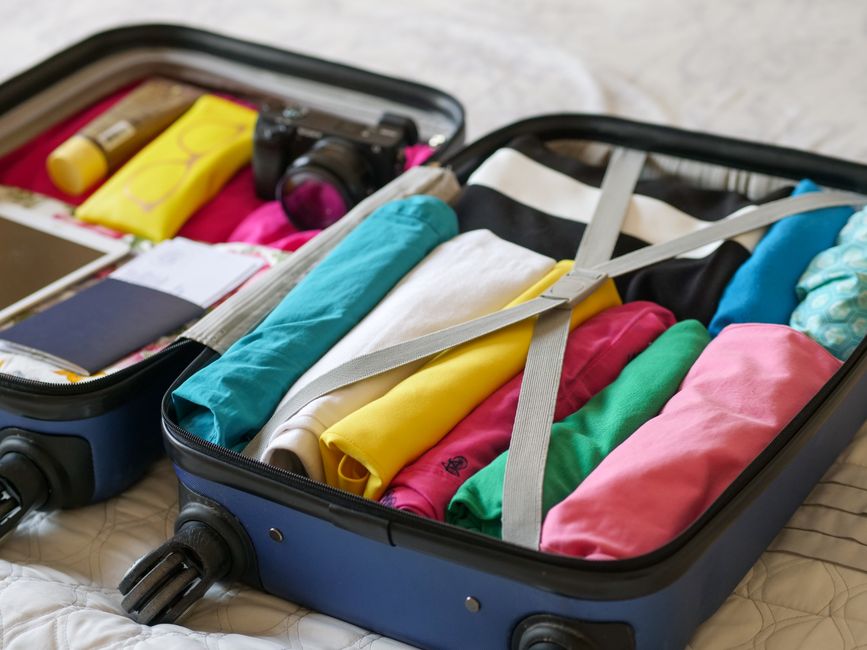
Once on the train, move toward the center or along the aisle to allow others to board. Do not block the doors or the area near them. If you have luggage, place it in the overhead racks or in designated luggage spaces if available. In crowded trains, it may be necessary to keep your luggage close to you and avoid taking up extra space. Being mindful of space ensures that everyone can find a spot and that doors can close without obstruction.
Phone Silence and Noise Reduction
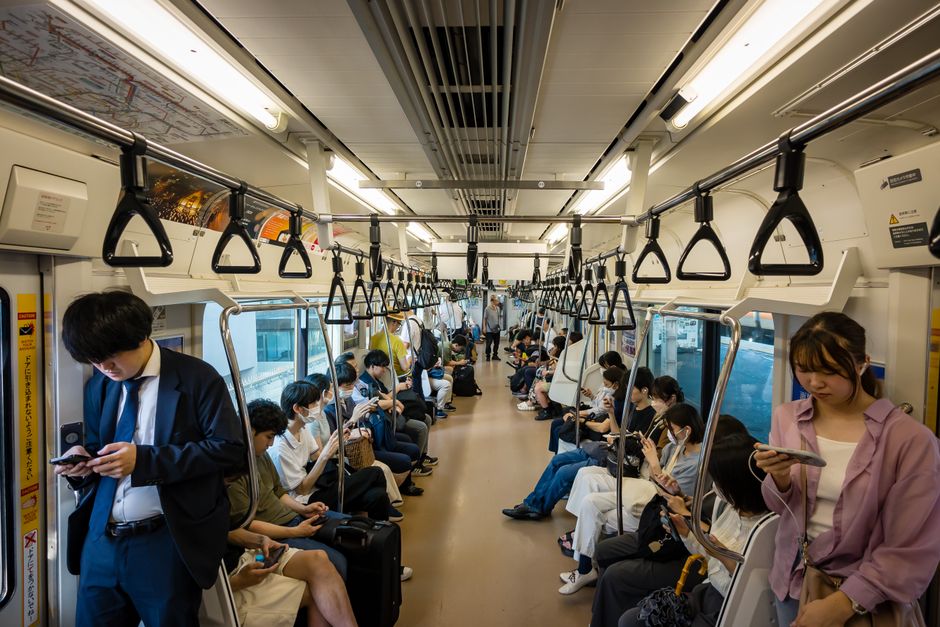
One of the most recognized etiquettes in Japanese trains is the expectation of minimal phone usage. Talking on the phone is generally prohibited, especially in priority seats and during peak hours. Even in less crowded carriages, keeping conversations short or refraining from speaking is common practice. Instead, passengers often use their phones for texting, browsing, or playing games, all with the volume muted.
To support a quiet environment, many trains have signs indicating that phone use should be restricted. Ringers are typically set to silent or vibrate mode. If you receive a call, it is courteous to decline or step out to the vestibule area between carriages to talk briefly. Similarly, playing music or videos without headphones is considered inappropriate. Keeping audio from your devices to yourself is a simple way to respect those around you.
While some might find the silence unusual, it contributes to a calm and pleasant journey. It also allows passengers to read, rest, or enjoy the scenery without disturbance. For those accustomed to more boisterous travel, this quiet atmosphere can be a welcome change. Adopting these practices shows your attentiveness to local customs and enhances your experience as a traveler.
Seat Manners and Priority Seats
Seat allocation on Japanese trains follows a clear hierarchy. Priority seats, marked with icons and often colored differently, are reserved for elderly passengers, pregnant women, individuals with disabilities, and those with infants. While anyone may occupy them when empty, it is expected that you offer the seat to someone in need if you are seated there. If you are not in a priority seat, common courtesy suggests offering your seat to someone who is struggling or elderly.
Body posture also matters. Spreading your legs, taking up multiple seats, or putting feet on the seat across from you are considered uncouth. Even when trains are less crowded, maintaining a modest posture is advisable. In some lines, you might notice local customs like turning your backpack into a bag hold or placing it on the overhead rack to avoid bumping into others. Being aware of your physical space helps in avoiding disruptions.
Additionally, donning heavy coats in winter can make seats slippery; it is customary to bunch them up or place them on your lap to prevent them from sliding. Eating and drinking on trains is permitted on some long-distance services, but for commuter trains, it is often discouraged. If you do consume food or beverages, ensure that you dispose of trash properly and avoid strong-smelling items. Maintaining cleanliness is a shared responsibility and aligns with the overall tidiness you will observe in Japanese society.
Navigating Crowded Trains and Etiquette for Special Situations
During rush hours, trains can become extremely crowded, with staff sometimes assisting in pushing passengers to close doors. In such scenarios, it’s vital to keep your personal items secure and avoid occupying unnecessary space. Remove backpacks and hold them at your feet or use the luggage racks above. This helps you move easily and reduces the chance of hitting others when the train lurches.
If you are carrying bulky items like suitcases, try to travel during off-peak times or reserve a space in baggage areas on shinkansen (bullet trains). On local trains, you might need to position your luggage between your legs or against the partition to keep aisles clear. Regardless of the situation, patience is key. If you need to alight at the next station, begin making your way toward the doors a bit early, politely saying “sumimasen” (excuse me) as you pass. This phrase is a practical tool for maneuvering through crowds gracefully.
Another common situation is encountering sleeping passengers, which is common on long journeys. If someone is sleeping and you need to pass or if you wish to take a seat next to them, avoid startling them. In general, quiet respect is observed. Similarly, when the train is delayed, announcements are made, and passengers wait calmly. While delays are infrequent, understanding that they occur and that everyone handles them with composure can help you stay relaxed. Observing these contextual etiquettes ensures that your train travel is as seamless as possible.
Good manners on Japanese trains are not just about following rules; they are about cultivating a shared environment of mutual respect and comfort.
In summary, the etiquette of Japanese trains emphasizes order, cleanliness, and respect for personal space. By queuing correctly, maintaining quiet phone usage, respecting seat priorities, and being mindful in crowded conditions, you contribute to the smooth operation of one of the world’s most efficient transport systems. As a visitor, demonstrating these manners not only facilitates your own travels but also earns you appreciation from locals who value such consideration.
Remember, these customs are practical solutions to the challenges of high-volume public transport. They are not rigid mandates but rather shared practices that enhance the experience for everyone. As you explore Japan, you will likely find that adopting these habits becomes second nature. With these guidelines in mind, you are better prepared to navigate Japan’s trains like a considerate traveler.